A non-metallic cable wrapping machine should be specified around the layer the cable design calls for, not just the maximum rotation speed in a catalog. The same station may be asked to handle different tapes, core diameters and production conditions, but those combinations need to be confirmed for the quoted configuration. A useful request for quotation starts with the cable drawing, the tape specification and the line that will feed the wrapping head.
Start with the purpose of the wrap
Identify where the non-metallic layer sits in the cable construction and what it must accomplish. A separation layer, a binder and another protective wrap may call for different materials and coverage. State the required tape material, width, thickness, number of layers, wrapping direction and intended overlap or gap. If the drawing names a standard or test, supply that requirement rather than asking the machine supplier to infer it from a photo.
A non-metallic tape is not automatically an electrical shield or a complete insulation system. Buyers comparing this process with copper tape shielding should keep the layer functions separate. The equipment proposal should reflect the approved cable construction, not replace the cable designer’s material decision.
Define the incoming cable and tape roll
Give the minimum and maximum outside diameter of the core entering the wrapping head, including representative constructions. Note whether the surface is easily marked, whether the core changes shape under tension and whether the wrapping station will run immediately after another process. These details affect cable passage, guiding and the trial material needed to assess the result.
For each tape, provide roll outside diameter, core diameter, usable width, weight and winding direction. Include the tape supplier’s data sheet and a sample if possible. A machine described as suitable for non-metallic wrapping is not proof that every tape grade or roll format will run at the same setting. Ask how the proposed station handles the roll from full to near empty and how the operator changes it.
Discuss tension and coverage together
Wrapping tension influences how the tape follows the cable surface. Too little control may leave a loose or uneven layer; excessive tension may stretch or damage a sensitive tape or core. The useful question is not whether a machine has “tension control” but which device is included, how its setting is monitored and what result is expected on the intended material.
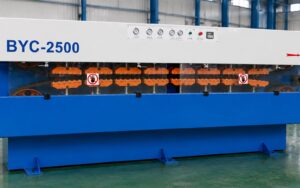
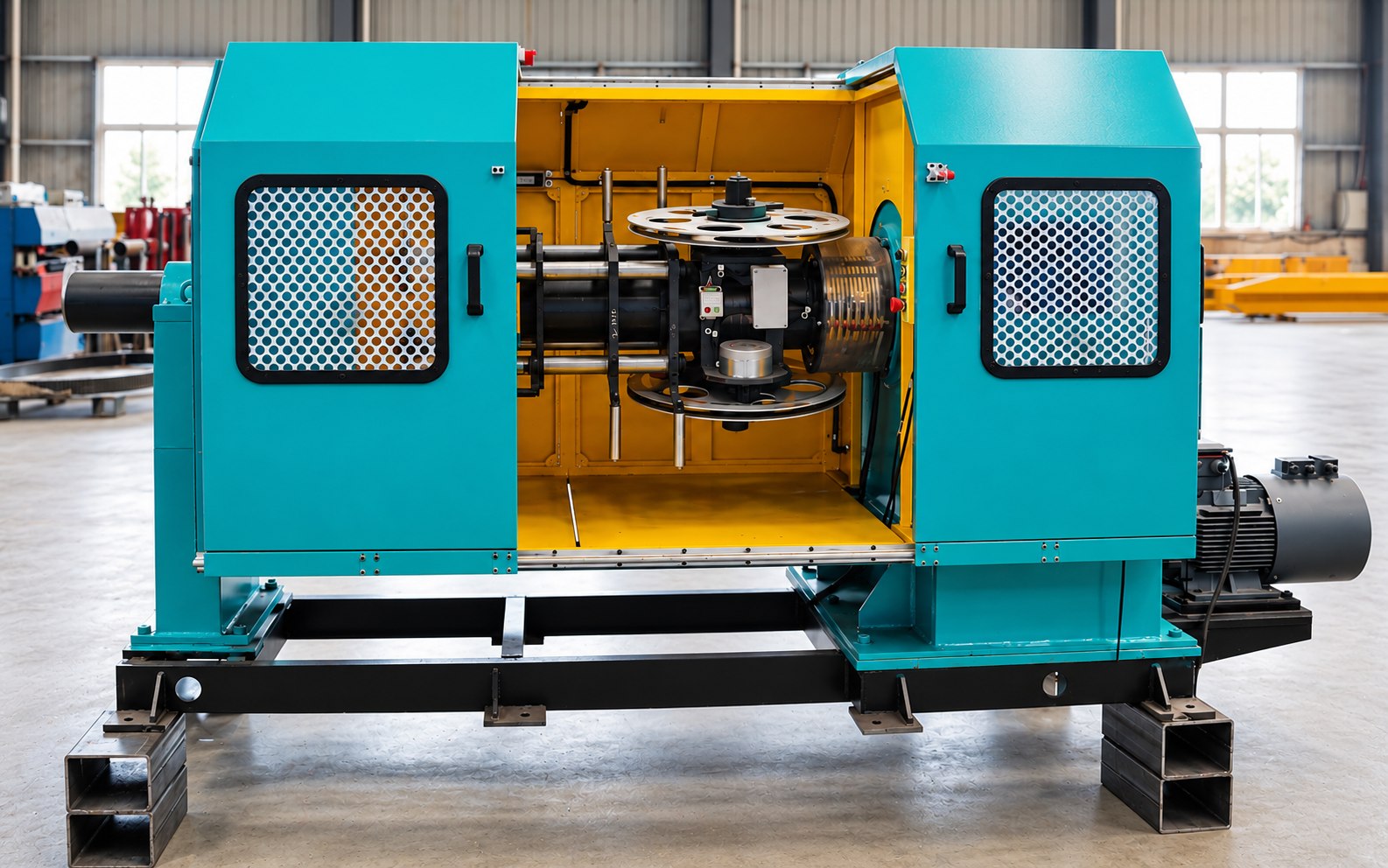
BYC lists a non-metallic wrapping machine with magnetic-hysteresis tension in its published description. Its concentric non-metallic wrapping machine page lists magnetic-hysteresis or servo tension arrangements as configuration choices. Those descriptions identify available approaches; they do not establish a tension range or prove that either arrangement is correct for every tape. Ask BYC to state the exact proposal for your material and roll.
Coverage also depends on the relationship among tape width, wrapping rotation and line movement. Ask the supplier to demonstrate the required overlap or gap at an agreed working speed. A headline maximum rpm measured under another condition does not establish the finished layer quality for your cable.
Check the wrapping station as part of the line
Send a line layout showing upstream supply, downstream haul-off and take-up, available floor space, cable center height and access for roll changes. Discuss how the station starts, stops and responds to a tape break. Both BYC product pages mention enclosed guarding and tape-break protection, but the precise control and interlock arrangement should be described in the quotation and checked during a trial.
If several cable sizes share the line, ask for a changeover plan: which guides or tooling must change, how the operator sets the tape path and how the first acceptable wrapped length will be judged. This is more useful than comparing two models by speed alone.
What to send in a wrapping-machine RFQ
- A cable cross-section and the function, position and required coverage of each non-metallic layer.
- Core diameter range, surface requirements and representative incoming samples.
- Tape data sheet, width, thickness, roll dimensions, roll weight and winding direction.
- Target working speed, typical run length, roll-change frequency and line layout.
- Required checks for tape appearance, coverage, adhesion if applicable and any contract-specific test.
Ask for the proposed head, tension arrangement, usable tape and cable range, guarding and trial method as one configuration. A sample run with the intended cable and tape is a clearer basis for acceptance than a generic demonstration.