Cable length metering seems simple until a production line must use the displayed number for winding, batching or acceptance. A counter can only be evaluated against a defined measurement method, cable range and allowable error. Before buying a device, decide where length will be measured, which products it will cover and how the reading will be checked.
Define what the number represents
State whether the counter is intended to guide a reel change, record produced length or support a contractual length check. Those uses may require different verification and record-keeping. Identify where the measurement point sits relative to the main machine, haul-off and take-up. The cable may behave differently at each location because of tension, bending or surface condition.
BYC lists meters and auxiliary devices for cable production lines. Its public page says configuration and installation arrangement depend on cable dimensions, line structure and operating requirements. It does not publish one metering principle or a universal accuracy claim. Ask BYC to describe the proposed device and the conditions under which its stated accuracy applies.
Match the measuring contact to the cable
Provide the minimum and maximum cable diameter, shape, surface material and normal working speed. Explain whether the product is bare, wrapped, armored or sheathed at the proposed measurement point. The device must contact or sense that surface without damaging it or losing the signal during normal starts, stops and changes in speed.
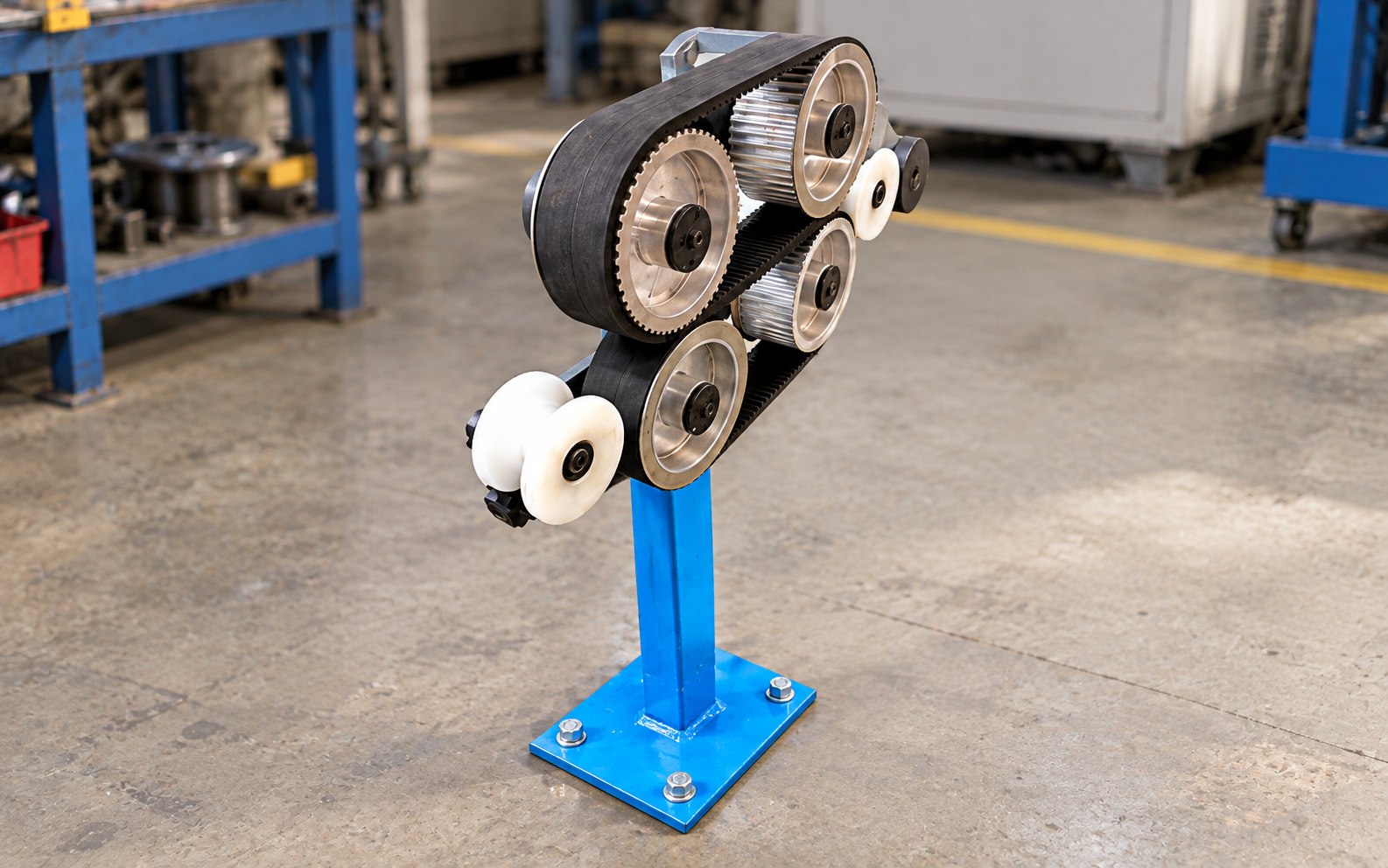
A contact-wheel design, if proposed, needs attention to wheel condition, contact force and possible slip. Another sensing principle may have different setup needs. Do not assume BYC supplies a particular principle until the quotation identifies it. The measurement location and method should be reviewed together with the cable path and available maintenance access.
Agree on a verification method before acceptance
Ask the supplier to define a reference length, a representative cable, a working-speed range and the procedure for comparing the counter reading with the reference. Record how the measurement starts and stops, when the display resets and whether any correction or calibration value is applied. Repeat the check under conditions that matter to the plant rather than relying on a single unloaded demonstration.
If the result will be used for customer delivery quantities, agree on the contractual measurement basis and tolerances separately. A digital display with many decimal places is not evidence of that accuracy. Keep the device’s indicated length, the independent reference result and the test conditions together in the acceptance record.
Information to include in an RFQ
- Cable construction, diameter and surface at the measurement point.
- Line layout, upstream and downstream equipment, normal speed and start-stop pattern.
- The intended use of the reading: process control, reel change, production record or contractual check.
- Required units, display, reset behavior, data output and integration with existing controls.
- Requested accuracy and the reference method by which it will be verified.
Send these details with a simple line drawing when asking BYC for an auxiliary metering device. The quotation can then state the actual measurement principle and an acceptance method that matches your products, instead of leaving the word “meter” to carry an unstated performance promise.